
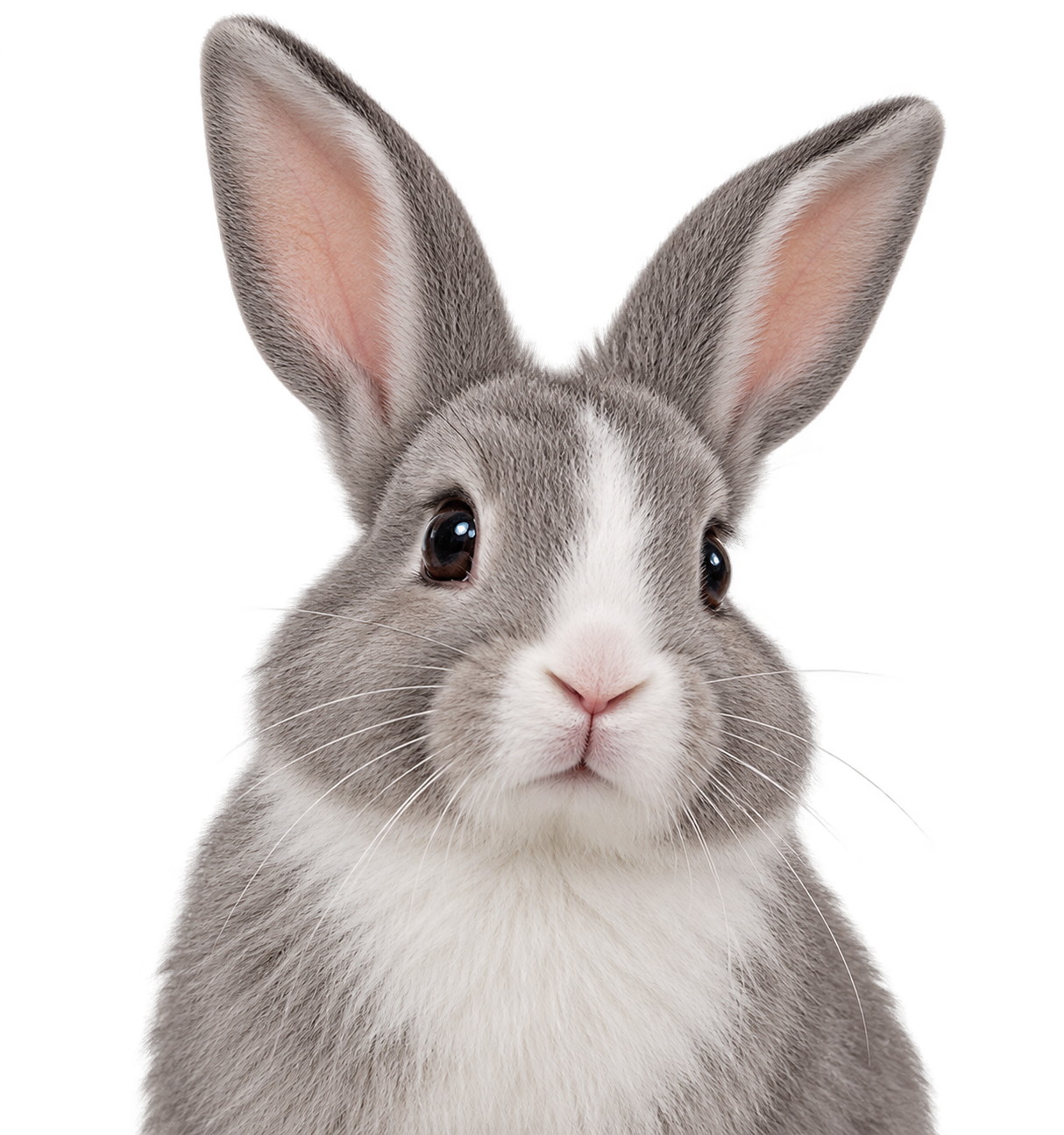
Dental Disease in Rabbits: Drooling, Reduced Hay Intake and Professional Care
Reviewed by medical articles. Educational information, not an individual diagnosis or prescription.
Dental Disease in Rabbits: Drooling, Reduced Hay Intake and Professional Care
**Animal:** Rabbit
**Topic:** Dental health
**Researched:** 28 October 2026
**Editorial status:** Researched draft; veterinary review pending.
**Suggested URL:** /rabbits/dental-disease-food-care
**Meta description:** Recognise possible dental problems in rabbits, understand why front teeth do not show the whole mouth, and plan feeding and follow-up with a rabbit vet.
All rabbit teeth grow continuously, including those at the back of the mouth. Problems with alignment or wear can interfere with eating and cause painful injury. Looking only at the front teeth does not establish that the mouth is healthy. Veterinary dental assessment is important when eating or behaviour changes. [1]
A rabbit that eats less or has fewer droppings needs prompt advice. Do not wait for very long incisors or assume that a favourite treat proves adequate intake.
Signs worth reporting
Drooling, a wet chin, food dropping, difficulty chewing, reduced appetite or a change in the foods selected may be relevant. Dental disease can also be associated with facial or eye-region problems. The veterinarian needs the full history rather than a label of picky eating. [1, 2]
If the rabbit has stopped eating, is weak or has reduced droppings, contact a rabbit-experienced clinic promptly. Breathing difficulty or collapse needs emergency attention. Dental disease and a digestive problem can coexist.
Describe actual intake. “Pellets eaten but hay left since yesterday” is more useful than “ate something.” In shared housing, say if you cannot identify which rabbit consumed the food.
The back teeth matter
Overgrown cheek teeth may form points that injure the tongue or cheek. An adequate examination may need sedation or anesthesia, with imaging where appropriate. Treating visible front teeth alone can miss a deeper problem. [1]
Bring previous dental records and the current feeding list. Ask which parts of the mouth were assessed and what any imaging is intended to answer. A photograph cannot show the entire tooth and root structure.
If swelling is present, ask whether an abscess or another condition needs investigation. Do not squeeze, puncture or apply a human oral remedy. An apparently small external change can require a different plan from simple overgrowth.
Never clip teeth at home
Rabbit teeth should not be shortened with household cutters or pliers. Cutting can fracture the tooth and create additional problems. Dental procedures require appropriate equipment, training and an assessment of the whole mouth. [2]
Ask the veterinarian to explain the proposed intervention, pain management and expected follow-up. Some problems require continuing care rather than one trim that permanently solves every future issue.
If cost or travel is difficult, discuss a workable schedule with the clinic. Do not replace a professional procedure with an improvised clipping technique from a video.
What food should the rabbit eat?
For a healthy rabbit, an appropriate hay-based diet supports normal chewing and tooth wear. A rabbit with established dental disease may need an individual feeding adjustment and monitoring. Hay is an important management component, not a guaranteed cure for every dental abnormality. [1]
Ask for the food texture, quantities and any assisted-feeding instructions. The vet should decide whether oral support is safe, especially if reduced appetite raises concern about another digestive problem.
Record what is actually eaten and when normal hay consumption returns. Do not keep adding treats to make the record look better. A rabbit may accept a soft favourite while still failing to meet its nutritional needs.
If a recovery food is prescribed, request preparation and administration training. Contact the clinic if the rabbit resists, cannot swallow properly or shows increased distress. Do not force a large amount because the planned intake was missed.
Procedure and recovery instructions
Follow the rabbit-specific instructions from the treating clinic, including feeding around anesthesia. Do not assume the fasting directions used for a dog or cat are suitable for a rabbit. Rabbits require species-specific perioperative management. [3]
At discharge, ask what level of intake should occur, when to report poor eating and how to give medicines. Keep actual administration times and any difficulties on one record. If medication cannot be given, contact the clinic rather than changing the product or dose.
Monitor droppings, activity and appetite as advised. Apparent improvement should be reported alongside any continuing difficulty with hay or chewing. A recheck may be needed even when the incisors look shorter.
Longer-term management
Keep dental reviews, weight observations and feeding changes linked in the record. This helps the vet understand whether recurring episodes follow a pattern. Do not schedule a procedure solely because a fixed interval has elapsed without considering the current plan.
Review the enclosure for behaviours that can injure teeth and ask about safe chewing and enrichment. A shop toy marketed as dental does not guarantee correct tooth wear or replace an examination.
If several people care for the rabbits, make the feeding instructions specific enough that all can follow them. Check access in pairs or groups so another rabbit's consumption does not conceal the patient's reduced intake.
Questions for the veterinarian
- Were the cheek teeth and roots assessed?
- Is imaging or treatment of an abscess needed?
- What should the rabbit eat during recovery?
- What changes in droppings or appetite need a call?
- How should medicines be given?
- What review schedule fits the findings?
Frequently asked questions
**Are normal-looking incisors enough?** No. The cheek teeth can also have disease. [1]
**Can I use nail clippers on the teeth?** No. Fracture and injury are important risks. [2]
**Does a wooden chew treat dental disease?** It does not replace diagnosis and professional treatment.
**Can reduced hay intake be ignored if pellets disappear?** No. Report the change and confirm which rabbit is eating.
Sources
1. Merck Veterinary Manual, [Dental Care of Rabbits](https://www.merckvetmanual.com/all-other-pets/rabbits/dental-care-of-rabbits), updated July 2026.
2. Merck Veterinary Manual, [Noninfectious Diseases of Rabbits](https://www.merckvetmanual.com/exotic-and-laboratory-animals/rabbits/noninfectious-diseases-of-rabbits), dental disease and malocclusion sections.
3. Merck Veterinary Manual, [Illness of Rabbits](https://www.merckvetmanual.com/all-other-pets/rabbits/illness-of-rabbits), species-specific medication and perioperative care.
**Smoki editorial note:** Intake records and appointment questions are original organisational aids. No home dental procedure or assisted-feeding prescription is provided.