
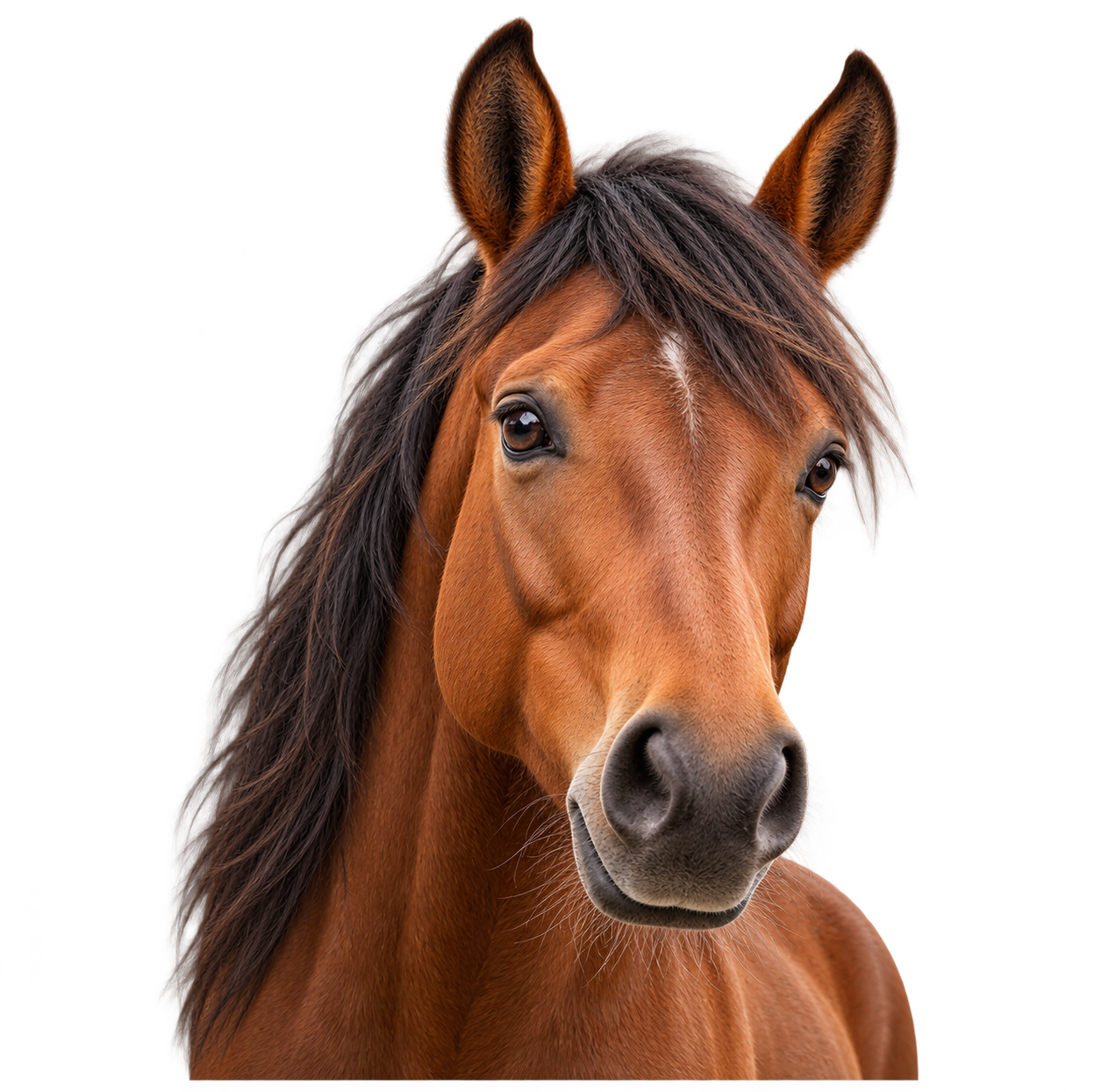
Senior Horse Feeding: Teeth, Body Condition and Choosing the Right Feed
Reviewed by medical articles. Educational information, not an individual diagnosis or prescription.
Senior Horse Feeding: Teeth, Body Condition and Choosing the Right Feed
**Animal:** Horse
**Topic:** Senior nutrition
**Researched:** 28 October 2026
**Editorial status:** Researched draft; veterinary review pending.
**Suggested URL:** /horse/senior-horse-feeding
**Meta description:** Review an older horse’s teeth, actual intake and body condition before choosing senior feed, changing forage or increasing concentrates.
An older horse that loses weight needs assessment rather than an automatic larger grain meal. Dental wear, difficulty chewing, access to feed and medical disease can all affect the feeding plan. Age alone does not tell an owner which ration is suitable. Begin with the individual horse's examination and current intake. [1]
A senior feed can be useful, but products differ in purpose and preparation. The word senior does not establish that a product can replace all forage or that every older horse needs the same amount.
Start with the whole horse
Record previous weights or body-condition assessments, changes in topline, appetite, chewing, manure, drinking and activity. Note whether the horse drops partially chewed feed, takes longer to finish or leaves hay behind. Tell the veterinarian about medicines and previous colic, choke or metabolic problems.
Take photographs at consistent angles if the team recommends visual monitoring. A thick coat can obscure changes, so ask to learn an appropriate hands-on body-condition method. Keep the record over time instead of judging one photograph in isolation.
If weight loss is rapid, appetite falls markedly or the horse appears unwell, seek prompt advice rather than waiting for a nutrition consultation alone.
Dental care affects feeding choices
Routine veterinary and dental assessments help identify problems that interfere with feeding in senior horses. Worn teeth may make effective hay chewing difficult, and some horses benefit from an appropriate alternative feed form. [1]
Ask what the horse can chew safely and whether the current forage remains suitable. Do not interpret a normal-looking incisor row as proof that the whole mouth works well. Obtain a written feeding recommendation if substantial dental limitations are identified.
Coordinate the dental and nutrition plans. If a change is prescribed after treatment, clarify whether it is temporary or ongoing and when the horse should be reassessed.
Know what the feed is designed to do
Some senior products are complete feeds that can provide a substantial or full forage alternative when used correctly. Others are concentrates intended to accompany forage. Follow the specific product instructions and professional ration advice. [1]
Show the nutrition professional the full label, not just the brand. Ask whether the product is suitable for the horse's dental status, body condition and medical history. If soaking is needed, obtain the exact preparation method and check that every caregiver can perform it consistently.
Do not replace hay with a small scoop of a complete feed and assume the nutritional job is equivalent. Conversely, do not feed a concentrate as the entire ration because it softens easily.
Build the ration from actual intake
General equine feeding guidance emphasises forage, fresh water, balanced nutrients, individual assessment and gradual changes. [2] For a senior horse, establish how much is truly consumed rather than how much is put into the stable.
Weigh representative servings and record leftovers. If the horse lives in a group, observe whether a stronger companion displaces it. Separate feeding access may be needed to deliver the agreed ration, but should be arranged safely and with consideration of social stress.
Ask whether a forage analysis or wider ration review would help. Avoid adding several vitamin-mineral products without checking overlap. More ingredients do not automatically produce a more balanced diet.
Adjust for medical conditions
A horse with metabolic disease, kidney problems or another diagnosed condition may need an individual nutritional approach. A calorie-dense senior product should not be chosen solely because the horse is old. Discuss the complete medical picture before increasing feed.
If the horse is underweight, ask for a controlled plan and review interval. Do not attempt rapid weight gain with large unaccustomed grain meals. If the horse is overweight, do not assume age protects it from the consequences of excess body fat.
Keep prescribed medicines and nutrition changes recorded separately. This makes it easier to discuss appetite changes and whether the horse is receiving the intended care.
Make the daily routine accessible
Place feed and water where the horse can reach them comfortably and where intake can be observed. Check the actual function of water supplies. During weather changes, review access rather than assuming an automatic drinker is working.
If feed is soaked, plan preparation and hygiene for local temperatures and the product instructions. Discard spoiled material. Arrange enough time for slow eating and avoid removing feed simply because younger horses have finished.
A written stable sheet should identify the horse, each feed, preparation, amount and timing. Include the person to contact if food is refused or the usual product runs out.
Review response and quality of life
Track body condition, ability to eat, comfort and willingness to participate in normal activities. Discuss whether the plan remains manageable for the horse and caregiver. Nutritional success includes maintaining wellbeing, not only changing the scale reading.
**Does every older horse need senior feed?** No. Choose according to condition, chewing ability and the whole ration.
**Can soaked feed replace hay?** Only an appropriate product used in an adequately formulated plan; check its intended role.
**Is weight loss inevitable with age?** It should be investigated rather than accepted without assessment. A treatable feeding or health problem may be present.
Sources
[1] [University of Minnesota Extension: Caring for Your Senior Horse](https://extension.umn.edu/agriculture/animals-and-livestock/horse/caring-for-your-senior-horse)
[2] [University of Minnesota Extension: Feeding the Mature Horse](https://extension.umn.edu/agriculture/animals-and-livestock/horse/ten-things-you-should-know-about-feeding-the-mature-horse)