
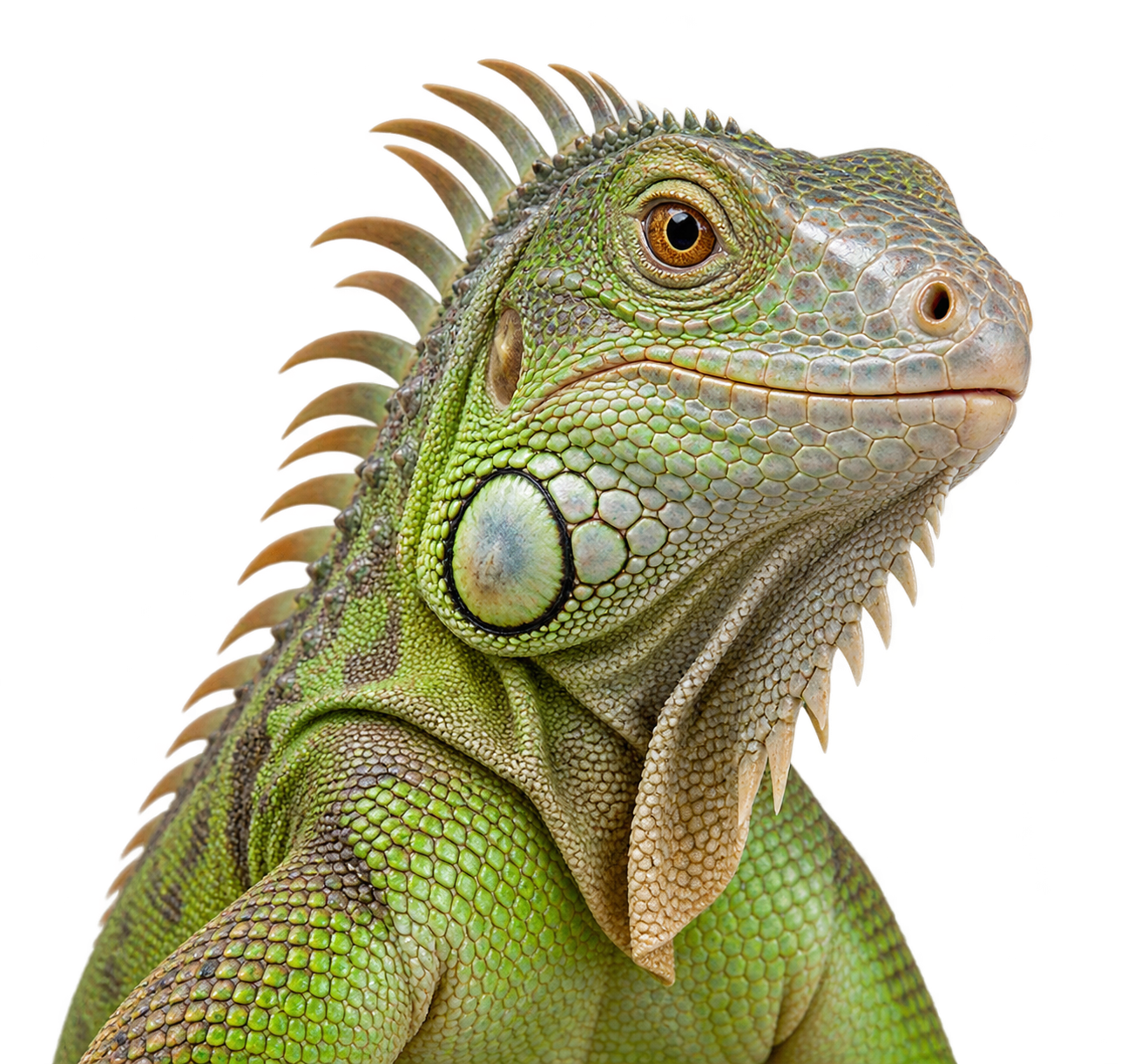
A New Reptile at Home: Separate Housing, Health Checks and Parasite Testing
Reviewed by medical articles. Educational information, not an individual diagnosis or prescription.
A New Reptile at Home: Separate Housing, Health Checks and Parasite Testing
**Animal:** Reptile
**Topic:** Preventive care and biosecurity
**Researched:** 28 October 2026
**Editorial status:** Researched draft; veterinary review pending.
**Suggested URL:** /reptile/reptile-new-arrival
**Meta description:** Prepare a new reptile’s separate enclosure, document previous care and arrange species-specific veterinary assessment before mixing animals or sharing equipment.
A new reptile should arrive to a prepared enclosure and a health plan, not immediately share another animal's space. Reptile care depends strongly on species-specific nutrition and environment, and an early examination can help identify problems and appropriate testing. [1]
Collect history before arrival
Ask for species, age if known, origin, feeding history, previous treatments and recent illnesses. Obtain actual veterinary records where available. A statement that an animal has been dewormed is less useful than the product, date and test results.
Photograph the previous food and request information about the environment. This gives the veterinarian a starting point when assessing an animal that is reluctant to eat after transport.
Avoid acquiring an animal whose needs cannot yet be met. Confirm space, suitable equipment and access to an experienced veterinarian in advance.
Separate housing needs a real care plan
Ask the reptile veterinarian to define isolation, its duration and release criteria for the species and circumstances. There is no single calendar interval that guarantees every new reptile is free of disease.
Use dedicated equipment where advised and plan handwashing and the order of care. A separate tank beside others may not address every transmission route. Explain the actual room layout and other species kept so the clinician can assess it.
Record observations for the new animal independently. If temporary separation causes feeding or welfare difficulties, seek an adjustment rather than abandoning the health plan.
Make the environment measurable
Provide correct thermal opportunities, lighting, humidity, shelter and water arrangements for the species. [1] Bring measured readings, probe positions and photographs to the appointment. Avoid using the same settings for a snake, gecko and tortoise because all are reptiles.
Check equipment function before arrival and retain manufacturer instructions. A heater running does not demonstrate that the animal has a safe gradient or protection from burns.
Testing should follow risk and findings
The veterinarian may advise faecal testing, examination or other investigations. Ask how to collect and store samples and whether follow-up testing is needed. Do not assume a single negative result excludes every infection.
Avoid routine unprescribed parasite medication. Product, route and dose depend on the patient and findings. Ask what to do if the reptile refuses medicine or intake is uncertain; do not repeat a dose automatically.
Feeding during the settling period
Use a species-appropriate diet and document actual intake. Ask whether a short adaptation period is expected and which findings require a call. Do not assume all prolonged refusal is normal settling or seasonal behaviour.
Weight loss, abnormal droppings, repeated regurgitation, skin lesions or unusual inactivity warrants advice. Breathing difficulty, inability to move normally or collapse requires urgent contact. Do not wait until the planned end of isolation to report illness.
Decide when the next step is safe
Before any shared housing or equipment, review the records and agreed release criteria with the veterinarian. Health clearance does not by itself establish that different animals are socially or environmentally compatible.
**Can a healthy-looking reptile carry a problem?** Appearance alone cannot establish health status.
**Can I copy another keeper's deworming schedule?** Obtain an individual veterinary plan.
**Does isolation mean no monitoring?** No. It should make observation and appropriate care more reliable.
Sources
[1] [Merck Veterinary Manual: Routine Health Care of Reptiles](https://www.merckvetmanual.com/all-other-pets/reptiles/routine-health-care-of-reptiles)